- 0 ft
- 1 ft
- 2 ft
- 3 ft
- 4 ft
- 5 ft
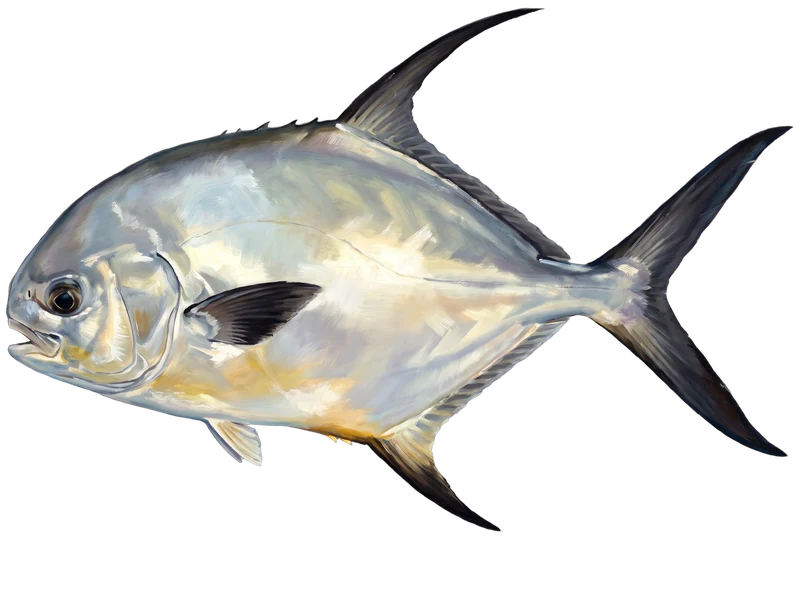
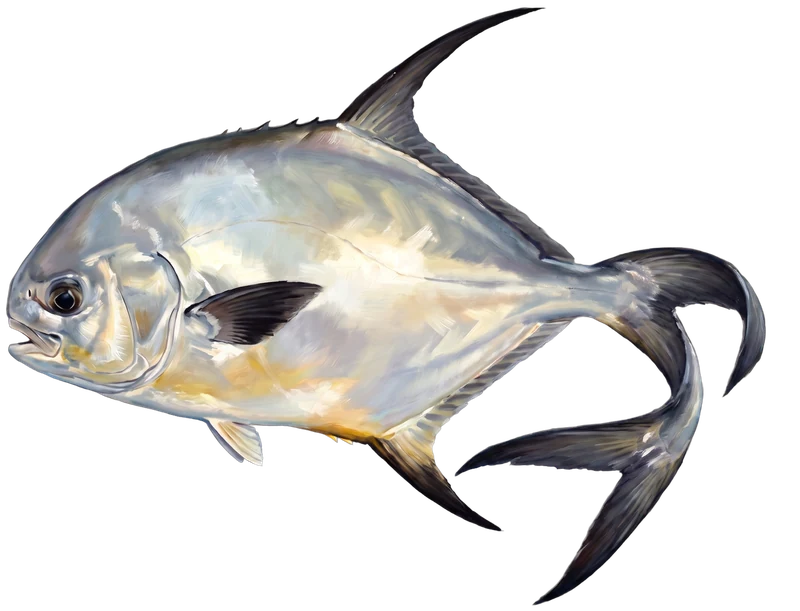
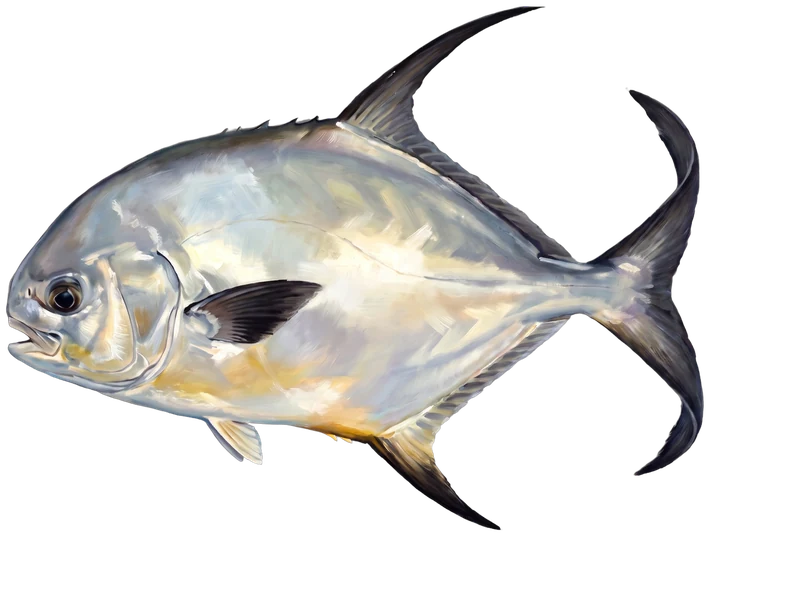
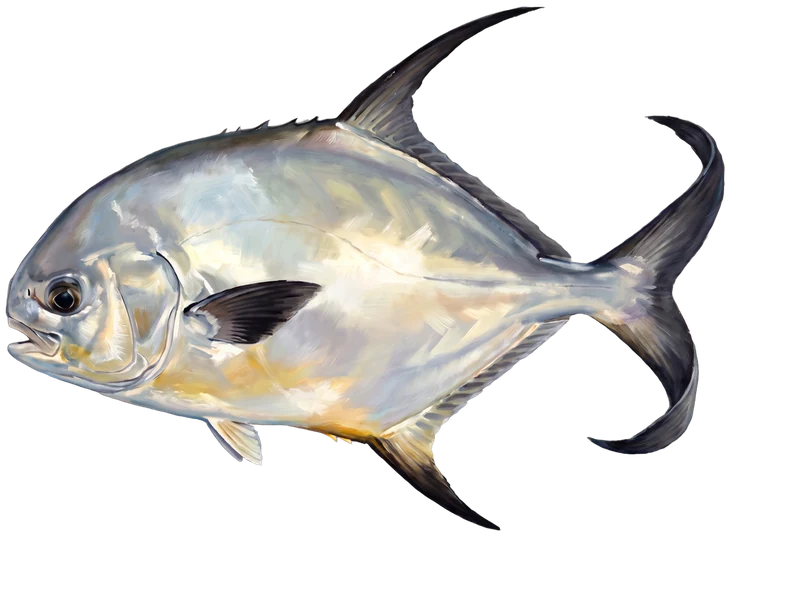
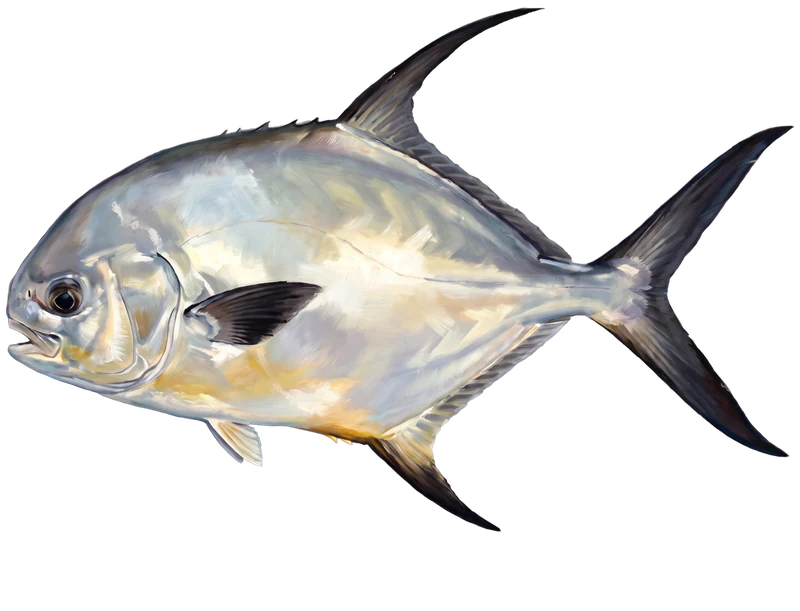
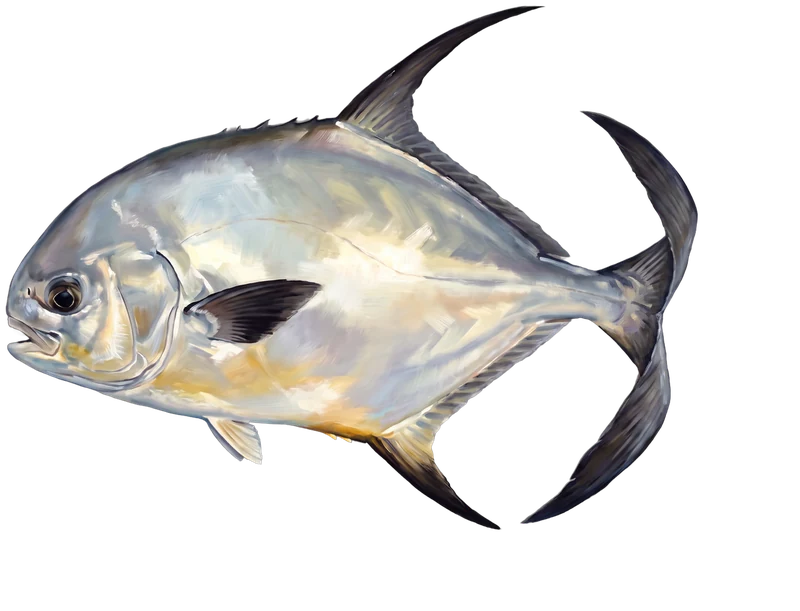
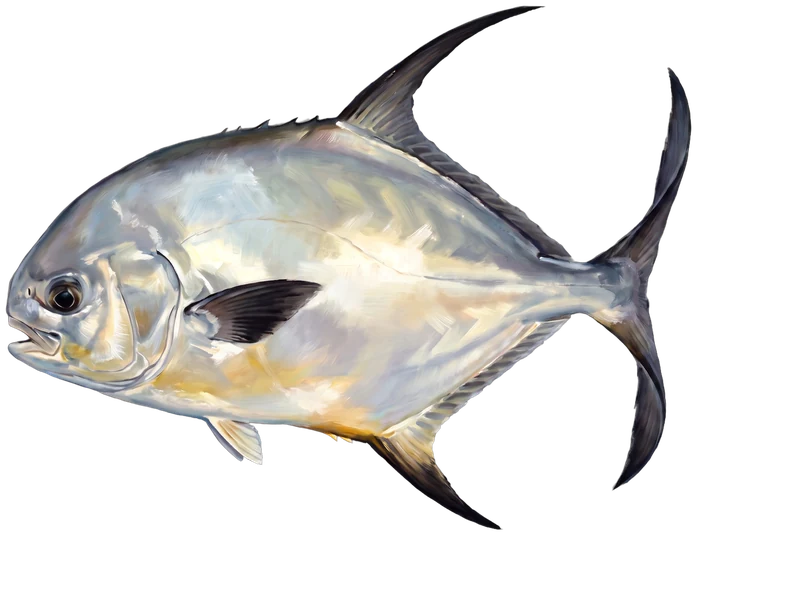
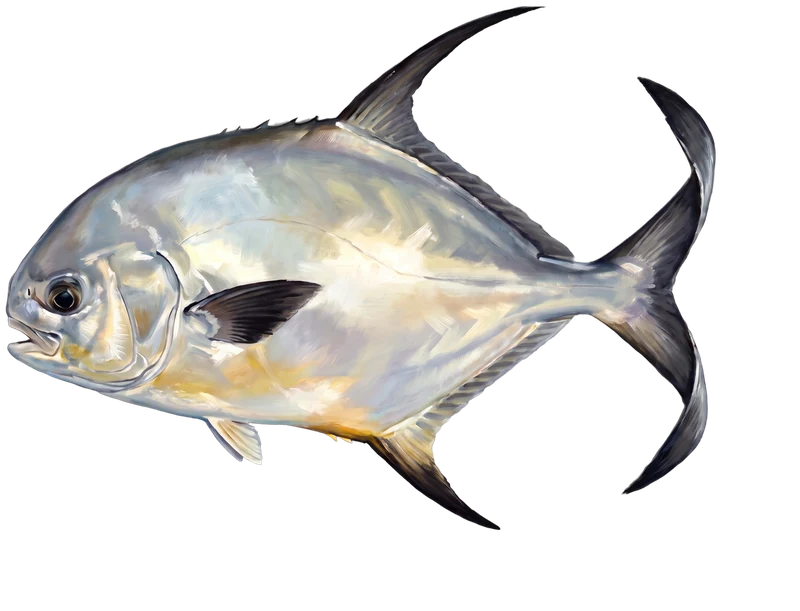
The flats
Permit
Trachinotus falcatus
Depth0–5 ft
The flats between South Bimini and the eastern cays are rated one of the planet's best fly-permit fisheries.
- Typical15–30 lb
- Largest recorded79 lb4 ft
- Depth range0–98 ftspecies-wide
- IGFA all-tackle60 lbIlha do Mel, Paranagua, Brazil · 2002
How big, really
A permit and a six-foot adult, drawn to one scale.

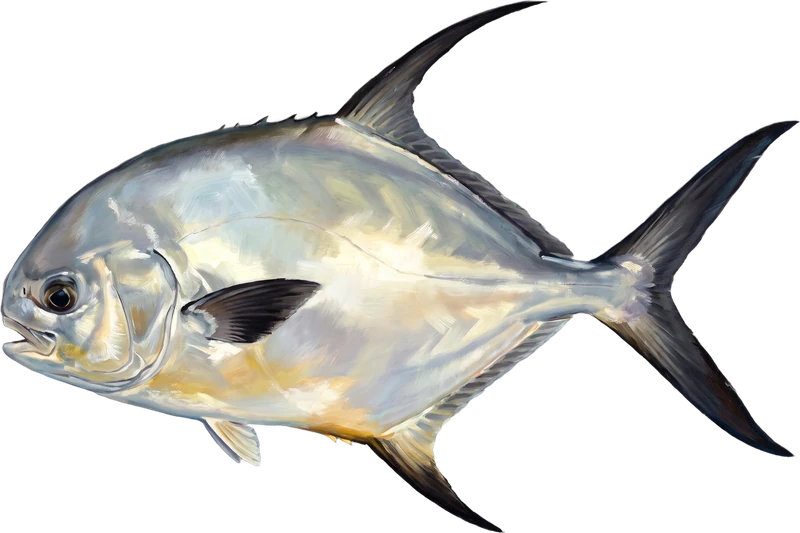
Permit · Largest recorded · 4 ft (48 in)vsAdult · 6 ft
The permit year
Twelve months around the dial, straight from the island's season data — peak months reach the outer ring. Pick a month to see what else is running. Peak: Mar, Apr, May, Jun, Jul, Aug.
PeakMar–Aug
March — Permit is peak
Also running this month
- BonefishPeak
- Blue MarlinGood
- Mahi (Dolphin)Good
- SailfishGood
- WahooGood
- Yellowtail SnapperGood
April — Permit is peak
Also running this month
- Blue MarlinPeak
- BonefishPeak
- Mahi (Dolphin)Peak
- SailfishPeak
- Yellowtail SnapperGood
May — Permit is peak
Also running this month
- Blue MarlinPeak
- Bluefin TunaPeak
- BonefishPeak
- Mahi (Dolphin)Peak
- SailfishPeak
- TarponGood
- Yellowtail SnapperGood
June — Permit is peak
Also running this month
- Blue MarlinPeak
- BonefishPeak
- GrouperPeak
- Mahi (Dolphin)Peak
- TarponPeak
- Yellowtail SnapperPeak
- Bluefin TunaGood
- SailfishGood
July — Permit is peak
Also running this month
- Blue MarlinPeak
- BonefishPeak
- GrouperPeak
- TarponPeak
- Yellowtail SnapperPeak
- Mahi (Dolphin)Good
August — Permit is peak
Also running this month
- BonefishPeak
- GrouperPeak
- TarponPeak
- Yellowtail SnapperPeak
Field notes
- How it is fished
- Guides pole shallow-draft skiffs across sand and marl flats — often following stingrays that stir up prey — and anglers sight-cast small crab-pattern flies (hard-epoxy or 'Woolhead' crabs, Avalon permit flies) or live crabs/shrimp on spin tackle to cruising or tailing fish. Permit are considered among the hardest sight-fishing targets due to extreme wariness.
- What it eats
- Adults eat mollusks, crabs, shrimp, small fishes, and sea urchins; juveniles feed on plankton and small benthic invertebrates such as amphipods and mole crabs.
- Depth
- Permit are sight-fished on flats often under 2 ft deep, but the species also ranges to about 30 m (98 ft) around reefs, wrecks, and other structure.
- Worth knowing
- Permit can live 23+ years. Their acute vision and lateral-line pressure sensitivity let them detect an angler's shadow or a skiff's wake before a cast is even made, which is what makes them one of the most difficult gamefish in the world to catch.
- Conservation & rules
- IUCN Red List: Least Concern (assessed 2012) — corroborated only via secondary summaries; primary IUCN page could not be directly fetched (403 error). Same 2017 Bahamas Flats Fishing Regulations that cover bonefish also name permit explicitly: catch-and-release only on the flats, commercial flats fishing banned, angler license required.
The record
60 lbIGFA all-tackle world record
Angler Renato Fiedler · Ilha do Mel, Paranagua, Brazil · 2002 · 3 ft 5 in long · 37 in girth
Where it lives
The island's relief model with the flats lit — 0–3 ft, gin-clear over white sand. Drag it to change the angle.








The Bimini story
The flats between South Bimini and the eastern cays are regarded as one of the best fly-permit fisheries anywhere, per longstanding Bimini fishing-guide reputation — though no specific IGFA record or documented tournament milestone tied to Bimini permit could be verified.
Sources
- fishbase.se
- floridamuseum.ufl.edu
- bigfishesoftheworld.blogspot.com
- saltwatersportsman.com
- fishingbooker.com
What we could not verify (3)
- Typical angler-catch length range (no academic min-max table found).
- Exact year of the IGFA all-tackle record (2002 vs. 2004 conflict across sources).
- Primary IUCN Red List page (403 error on direct fetch; status corroborated only via secondary sources).